
Nano Earpiece Detector for Exam Halls
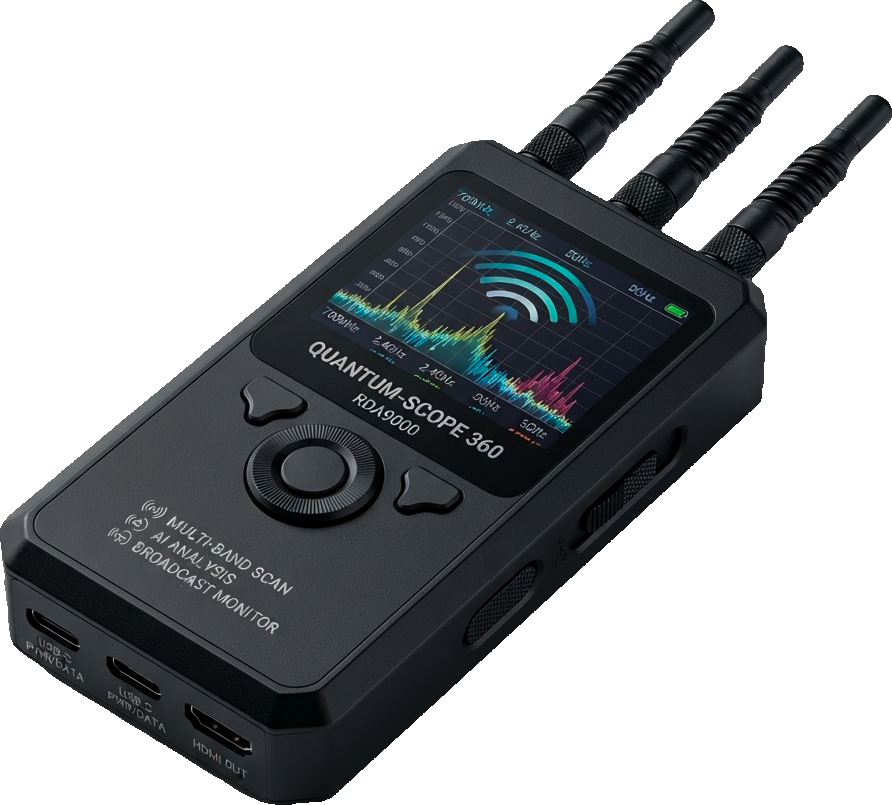
A nano earpiece is smaller than a grain of rice and sits deep in the ear canal where no invigilator can see it. You can’t catch a hidden earpiece by looking. You catch it with the right detector. Eelis supplies a handheld nano earpiece detector that finds the earpiece, the induction loop that powers it, and the phone feeding it answers.
Why a nano earpiece is so hard to catch
Most exam rules were written for phones and smartwatches. The nano earpiece gets around all of them. This “invisible earpiece” is usually just a tiny neodymium magnet, often 2 to 4 mm across, with no battery and no circuit. It can’t be seen from outside the ear, and it doesn’t transmit anything by itself.
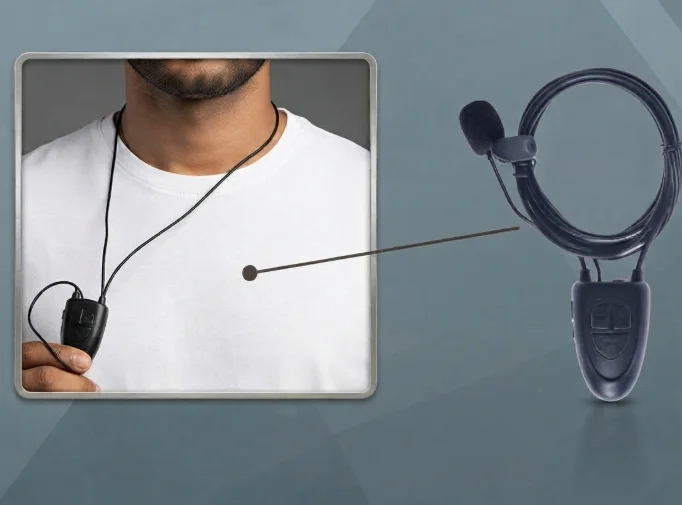
The sound comes from an induction loop (also sold as a neckloop or inductive necklace) worn around the neck under a shirt or hijab, or hidden in a lanyard. The loop is paired over Bluetooth to a phone in a pocket, a bag or a bathroom stall. Someone outside the hall reads the questions through a hidden camera, or hears them whispered, and dictates the answers into the spy earpiece.
Universities we work with around the world have told us the same thing: they know students are using hidden earpieces, but their invigilators have no way to prove it.
How a hidden earpiece cheat works
- Accomplice outside
- Phone call
- Bluetooth
- Neck induction loop
- Nano earpiece in the ear
Every link in this chain gives off something a hidden earpiece detector can pick up: a magnetic field, a metal mass, or a radio signal. Break any one link and the cheat stops working.
One device, many names
Sellers market the same exam cheating earpiece under dozens of names, which is part of why exam offices don’t always realise they’re dealing with one problem. Whether your staff call it a nano earpiece, a hidden headset or a tiny headset, our detector is built for all of them:
- Nano earpiece
- Nano earphone
- Hidden earpiece
- Hidden headset
- Invisible earpiece
- Invisible headset
- Tiny headset
- Tiny earpiece
- Mini earpiece
- Micro earpiece
- Micro earphone
- Spy earpiece
- Spy earphone
- Spy earbud
- Covert earpiece
- Magnetic earpiece
- Inductive earpiece
- Bluetooth spy earpiece
- GSM earpiece
- Wireless cheating earpiece
- Exam earpiece
- Cheating headset
- Neckloop earpiece kit
In Arabic-speaking exam halls it’s usually called سماعة نانو or سماعة الغش في الامتحانات. Same device, same detection method.
What the nano earpiece detector picks up
Our detector is a compact handheld hidden earpiece detector that combines several sensing methods, so a candidate can’t beat it by switching one part off.

1
The magnet in the ear
A sensitive magnetic and metal sensor held near the head picks up the neodymium core of the nano earpiece or magnetic earpiece, even when it’s pushed deep into the ear canal.
2
The induction loop
When the neckloop is carrying audio it creates a low-frequency electromagnetic field around the neck and chest. The detector reads that field and alerts the operator while the spy earpiece is live.

3
The phone and Bluetooth link
RF detection flags active GSM, 4G/5G, Bluetooth and Wi-Fi transmissions near the candidate. That catches Bluetooth earpieces and GSM earpieces with their own SIM, and points you to the phone.
Alerts are silent (vibration) or visual, so the invigilator can confirm a suspected hidden headset without disturbing the rest of the hall.
How earpiece detection fits into an exam session
01
At the door
A quick sweep of the head, neck and upper body as candidates enter. It takes a few seconds per person and works alongside the ID or biometric checks you already run.
02
During the exam
Invigilators walk the rows with the unit. A candidate touching their ear, looking down at their collar or pausing oddly can be checked for a hidden earpiece on the spot, without a word.
03
Bathroom breaks
A lot of handovers happen here. A re-scan on the way back in catches a tiny headset or phone picked up during the break.
Detection, not jamming
Signal jammers are illegal in most countries around the world, and they knock out emergency calls along with everything else. An exam cheating device detector is the lawful route. It doesn’t interfere with any network, it only tells you a device is there.
It also gives you evidence. A jammer might stop one spy earpiece for one afternoon. A detection alert lets the exam office act under its own disciplinary policy.
Who uses a hidden earpiece detector
- University exam and registrar offices
- Ministries of education and national exam boards
- Medical, legal and accounting licensing bodies
- Driving test and professional certification centres
- Government and corporate recruitment exams
- Language test and admissions test centres
Why buy your nano earpiece detector from Eelis
We already work with exam offices.
Eelis supplies certificate printing, document security and EelisDoc verification to universities around the world. We know how your exam weeks run.
A partner with rare technology.
Only a handful of manufacturers build detectors aimed specifically at nano earpieces and invisible earpieces. We've partnered with one of them.
Invigilator training included.
The equipment is only as good as the person holding it. We train your staff on scanning technique and on handling an alert calmly and fairly.
Local supply and support.
Delivered, set up and supported by our team, with on-site and remote help for clients worldwide.
Nano earpiece detection: frequently asked questions
Yes. It has no battery, but it’s a solid magnet, and magnets can be sensed. The induction loop that drives it also gives off a clear electromagnetic field whenever audio is playing. Having no battery means the nano earpiece sends no radio signal. It doesn’t make it invisible to a magnetic sensor.
In most cases, yes. “Hidden headset”, “tiny headset”, “invisible earpiece”, “micro earpiece” and “spy earpiece” are all names sellers use for the same kind of device: a very small earpiece hidden in the ear, fed by a neckloop or a Bluetooth module. Our detector is designed for all of these variants.
Yes. Larger Bluetooth earpieces and GSM earpieces with their own SIM card transmit radio signals, which the RF sensor picks up. They also contain a battery and metal parts, which the metal sensor detects.
Usually not. Walk-through gates are tuned for larger objects, and a 3 mm magnet is well below their threshold. You need a close-range handheld earpiece detector passed near the ear and neck.
These will also set off an alert, so candidates should declare them when they register for the exam. We help exam offices put a simple declaration and secondary-check procedure in place so honest candidates are never embarrassed.
Yes. The detector only receives. It doesn’t transmit or block any signal, so it falls outside the rules that ban jammers. Institutions should still tell candidates in advance that electronic screening is part of the exam process.
A single session is usually enough for invigilators to get comfortable with the device. We cover scanning technique, reading alerts and what to do once a hidden earpiece is found.
Yes. We run live demonstrations with a real nano earpiece and induction loop, so your team can see exactly what the detector picks up.
See it catch a nano earpiece in front of you
Book a demo for your exam office. We’ll bring a working spy earpiece and induction loop, and your invigilators can try the NANO EARPIECE DETECTOR themselves.